Our story

A family sanctuary shaped by one stray cat

Around 2017, the Gaspar family brought home their first stray cat — Tito, the first cat anyone in the household had ever owned. He became part of the family, and that one rescue changed what they could see around them: cats in their part of Brazil were not just homeless, they were often misunderstood, ignored, and left without the same informal support that some street dogs receive.

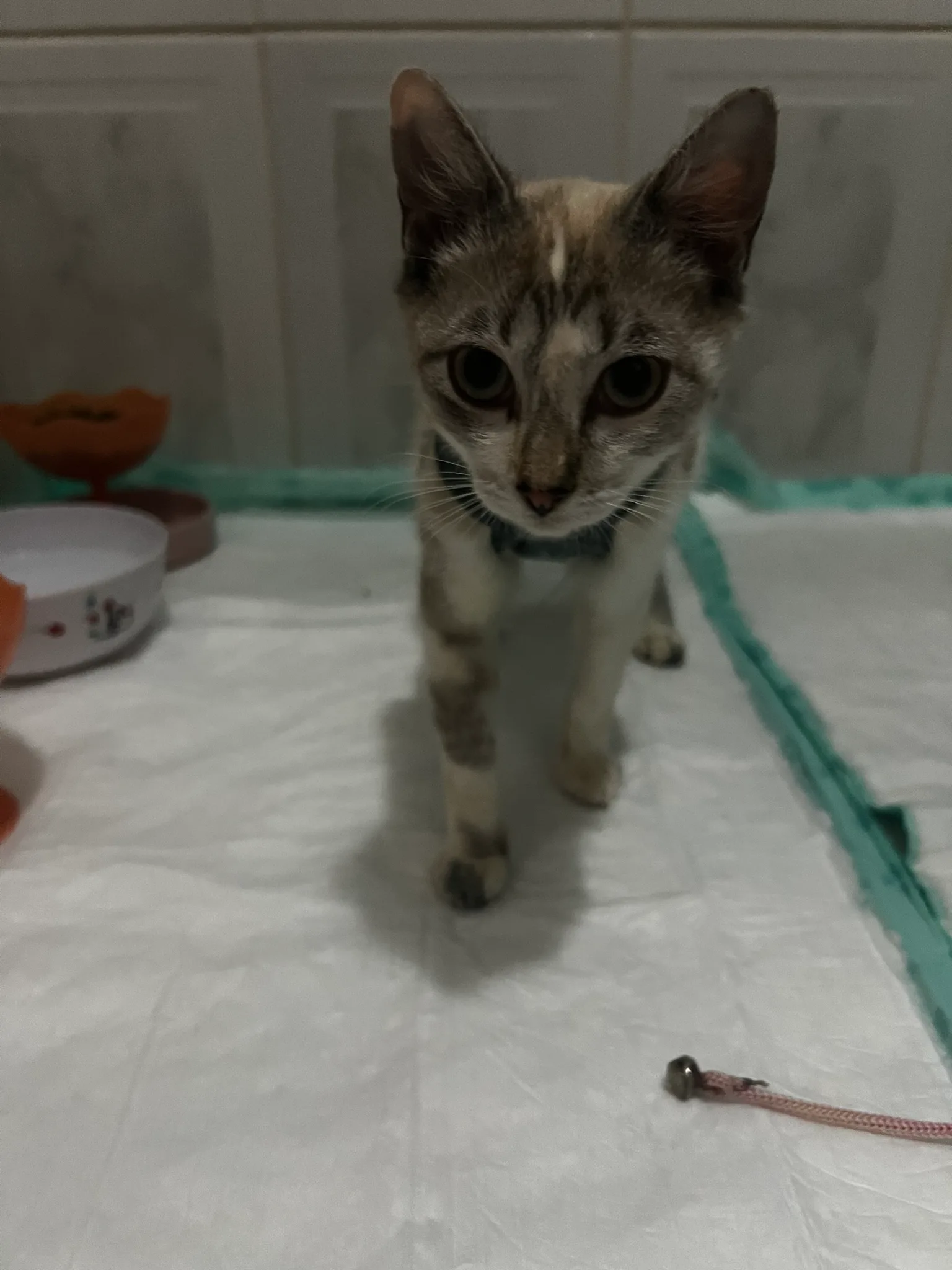
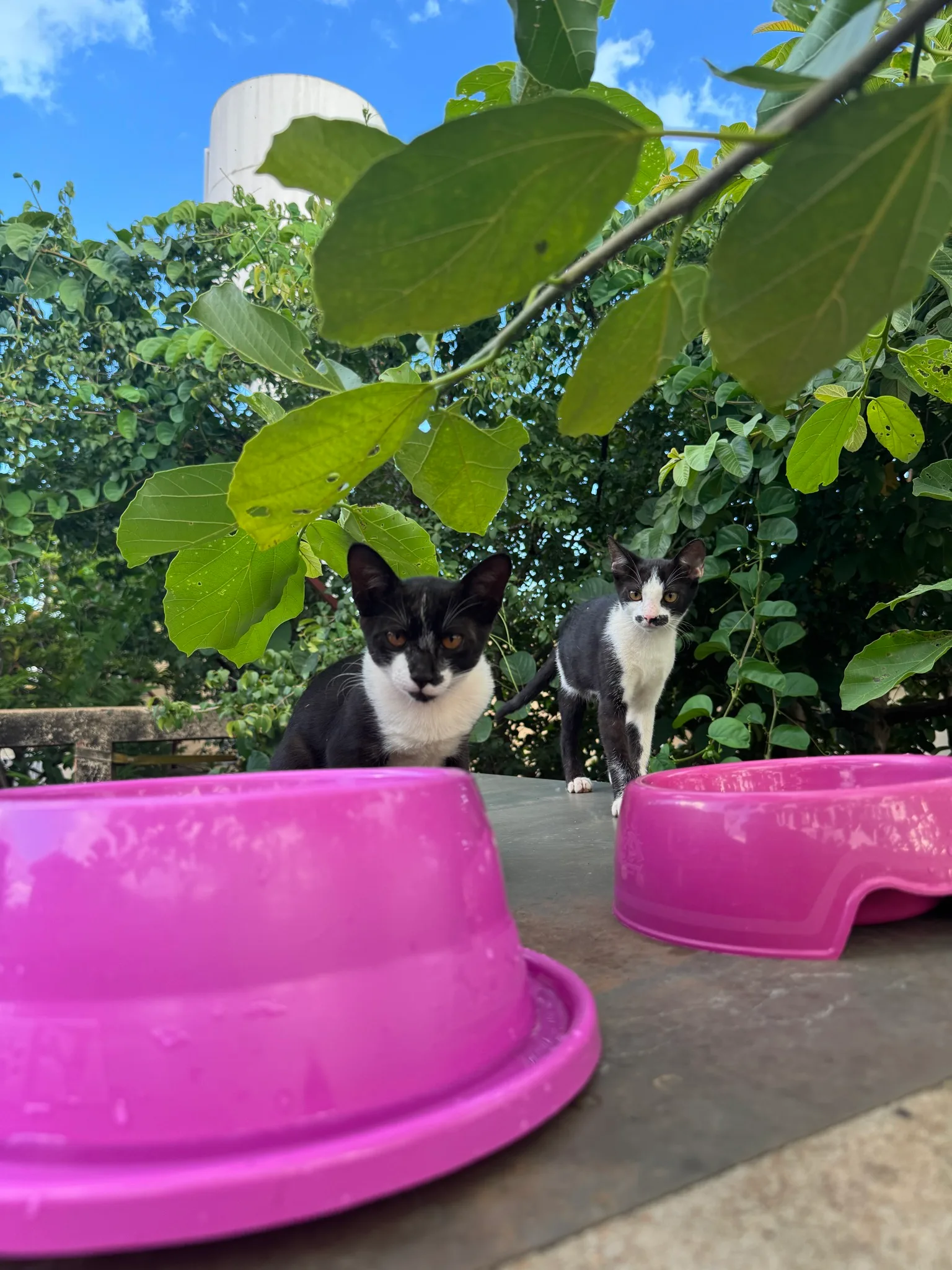
Negresco and Negresca, two of the cats in our care
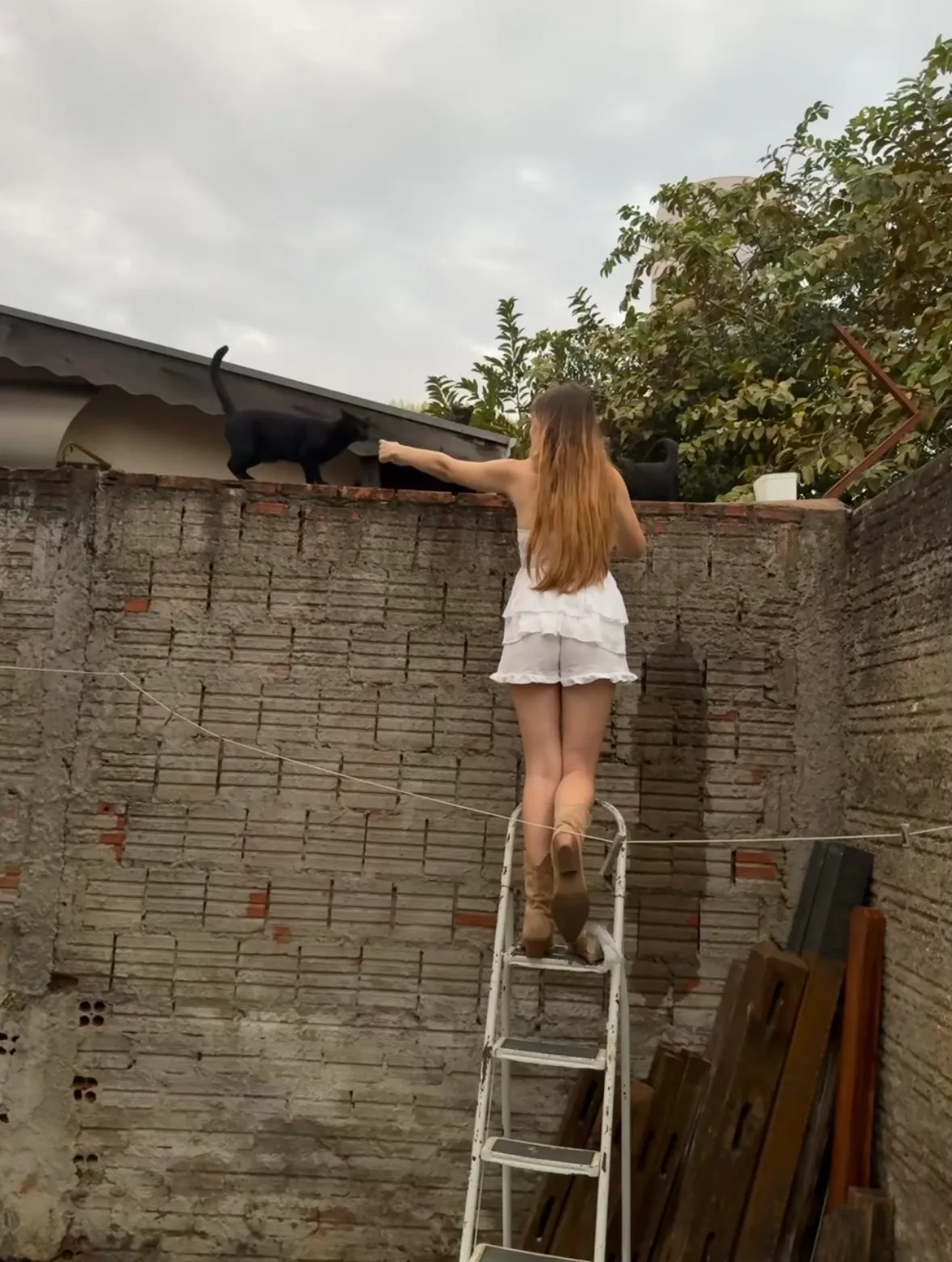
A young woman on a stepladder reaches over a tall brick wall toward two black cats

No shelter to call, no rescue network on the way

Animal rescue in much of the United States rests on infrastructure most visitors take for granted: municipal shelters, foster networks, animal control trucks that pick up unowned animals. The rural Brazilian interior where Rancho Gaspar sits has almost none of it. There is no shelter where someone can drop off a stray cat. A nearby vet does offer affordable spay and neuter, but there is no one paid to catch and transport unowned animals to that vet — that last step always falls to us. There is no rescue network with capacity to absorb a difficult case. When an animal is hungry, hurt, or carrying yet another unplanned litter, no one is on the way — which is the gap that Rancho Gaspar has chosen to fill.
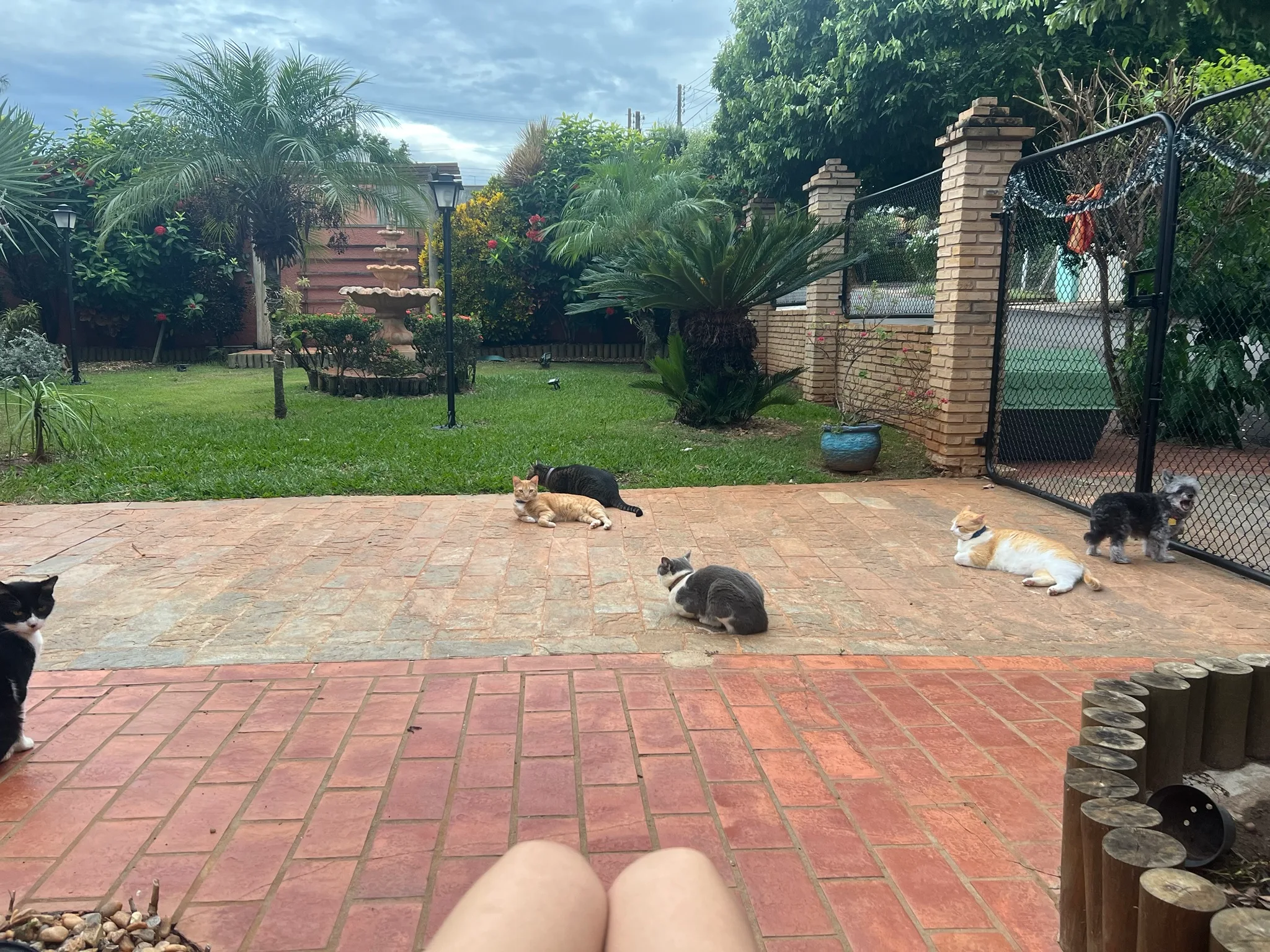
rescued cats

Why cats became the center of the work

Within that gap, cats face an additional kind of vulnerability. Myths, misinformation, and old superstitions still affect how people treat them, especially black or dark-coated cats. While some dogs may become familiar neighborhood animals — fed, watched out for, even given names — cats are often less visible, less trusted, and less likely to be fed, protected, or adopted.

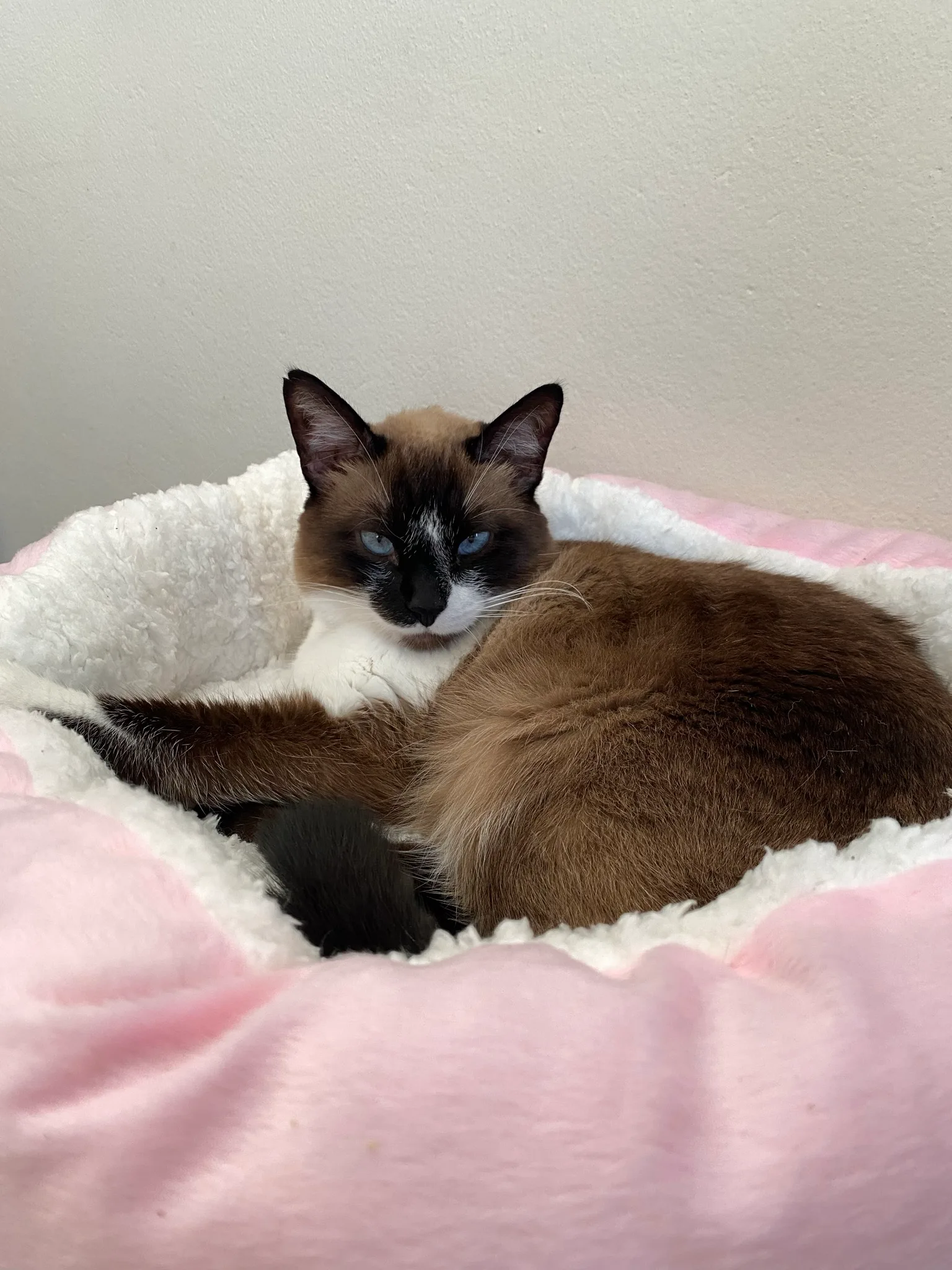
Tito, a chocolate-point cat with bright blue eyes, curled up in a fluffy cream and pink cat bed

From one cat to a calling

What started with one beloved family cat — Tito — grew into a calling. He wasn't a sanctuary resident or a rescue project; he was simply theirs. But the animal who had arrived as a stray turned out to be exactly the kind of cat the local stigma denied could exist: gentle, social, and deeply affectionate. The more cats and dogs the family began to notice around them, the harder it became to walk past. Sympathy turned into resolve, and resolve turned into routine: tracking down the animal nobody else was coming for, getting them to the vet, neutering or spaying them, and finding the right next step. Addressing the stray companion animal crisis in this part of Brazil became less of a hobby and more of a life's work.

vet care & recovery

What Rancho Gaspar does

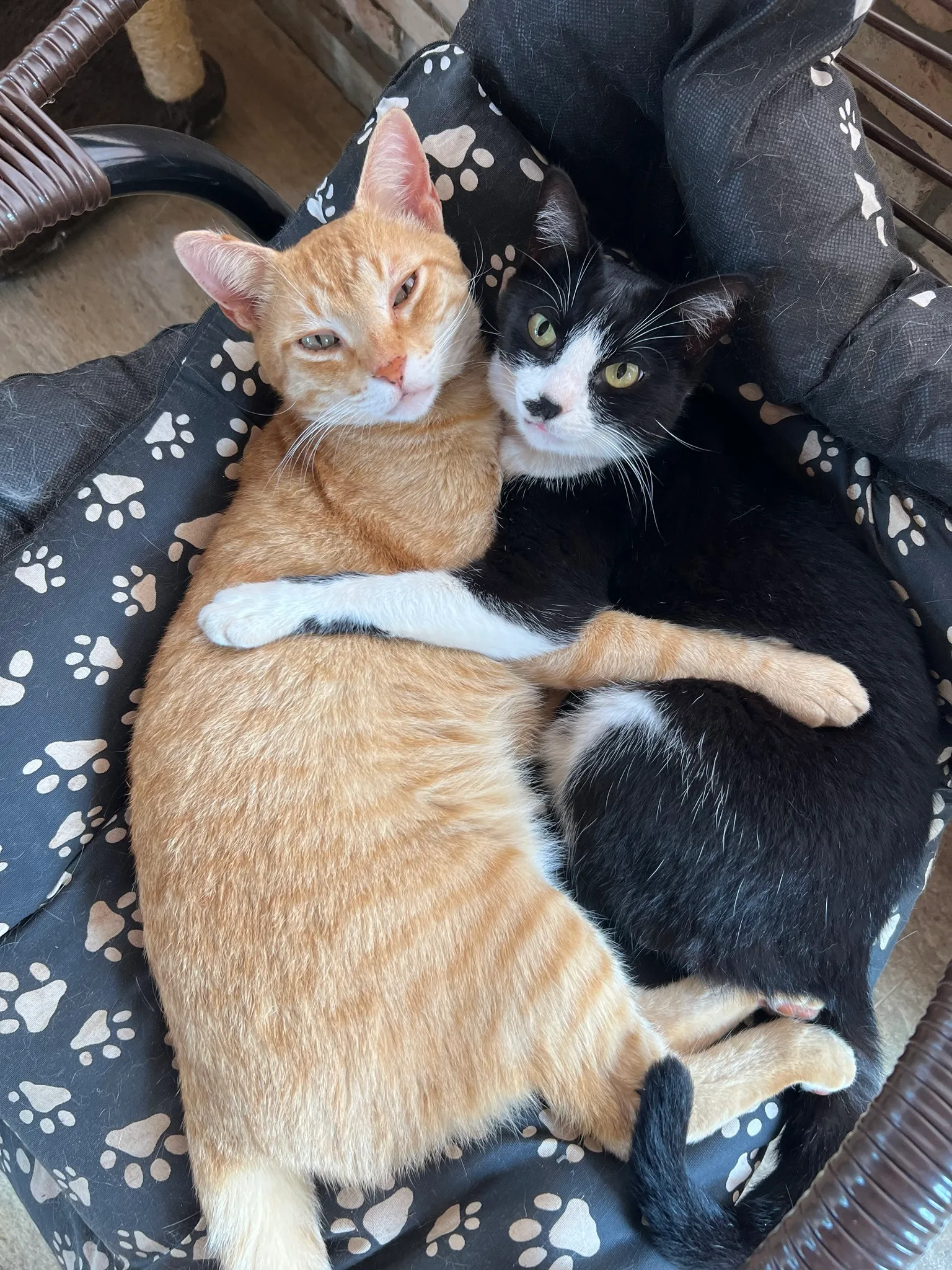
The ranch exists because we refuse to leave wonderful animals uncared for, suffering, or reproducing unchecked. We rescue, quarantine, assess temperament, provide veterinary care, spay or neuter when appropriate, and work toward the right forever home. For some animals, that means adoption into a loving family. For others, it means permanent sanctuary care at the ranch.

the ranch

A family ranch with a deeper purpose

The sanctuary owners live between the United States and Brazil, while the Brazil ranch is dedicated primarily to the animals. The ranch was built by Julio Gaspar over roughly twenty years before he passed away, so it carries special meaning: a monument to his care and effort for the family, and now a safe home for animals in the Mendonça region who are misunderstood, hungry, at risk, or likely to continue reproducing without help.

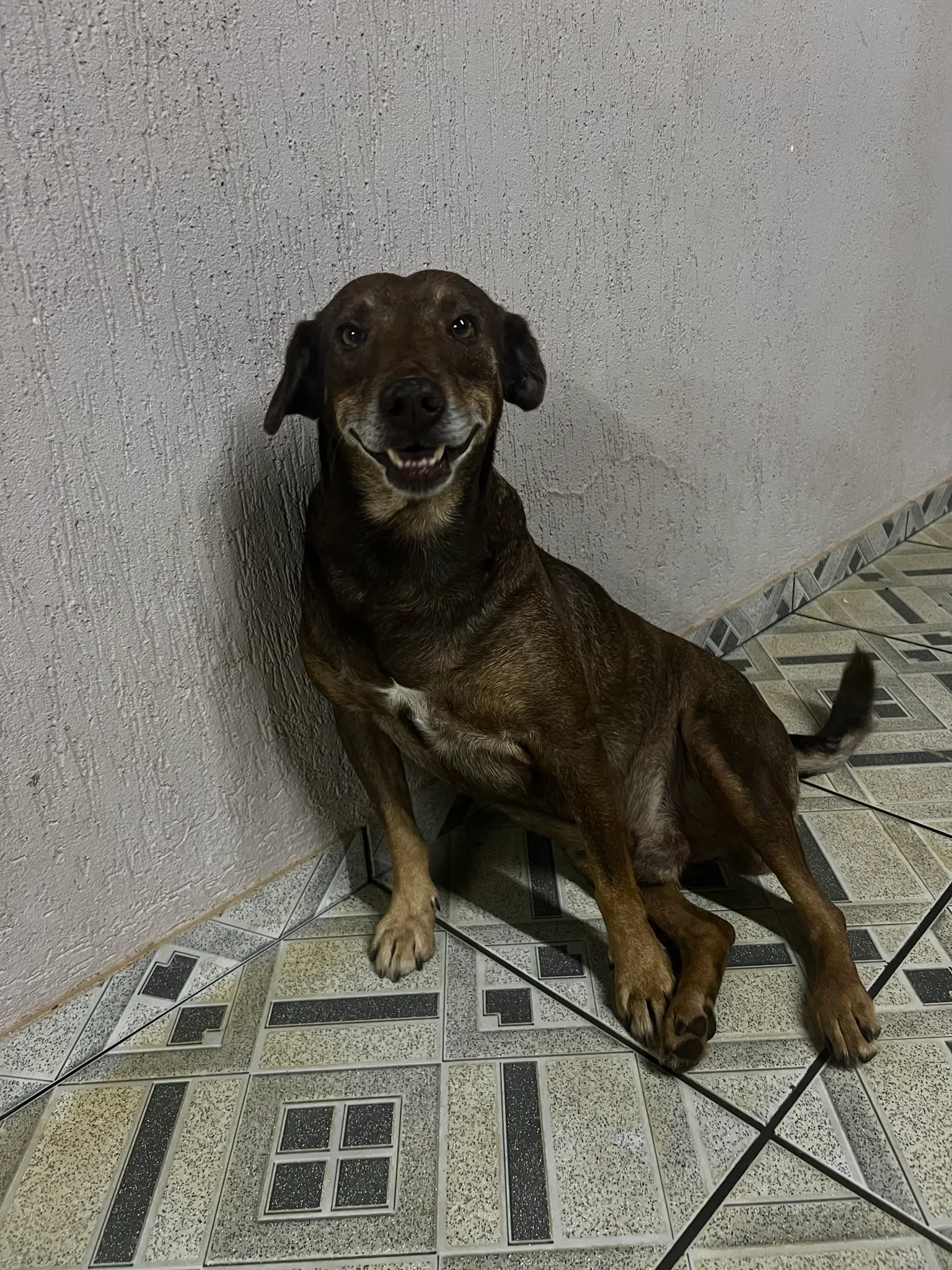
Bart, a brown short-haired dog with a small white chest patch, sitting on tiled floor and looking up at the camera with an open-mouth smile

Cats first, but not cats only

Take Bart, the dog in this photo. When we first found him, he had a large puncture wound on his right hindquarter, infested with fly larvae — the kind of injury that becomes routine in a place where stray dogs spend their days fighting each other, or whatever local wildlife they happen to cross. We nursed him back to health. In that same week, we located another stray who had been in a fight with an anteater. Cats make up the majority of our rescue work, but dogs and bunnies are not excluded — when we can help safely and responsibly, we do. Some species or situations may not be compatible with a ranch full of cats, but we are always willing to hear what is happening and see whether we can help or point someone in the right direction.

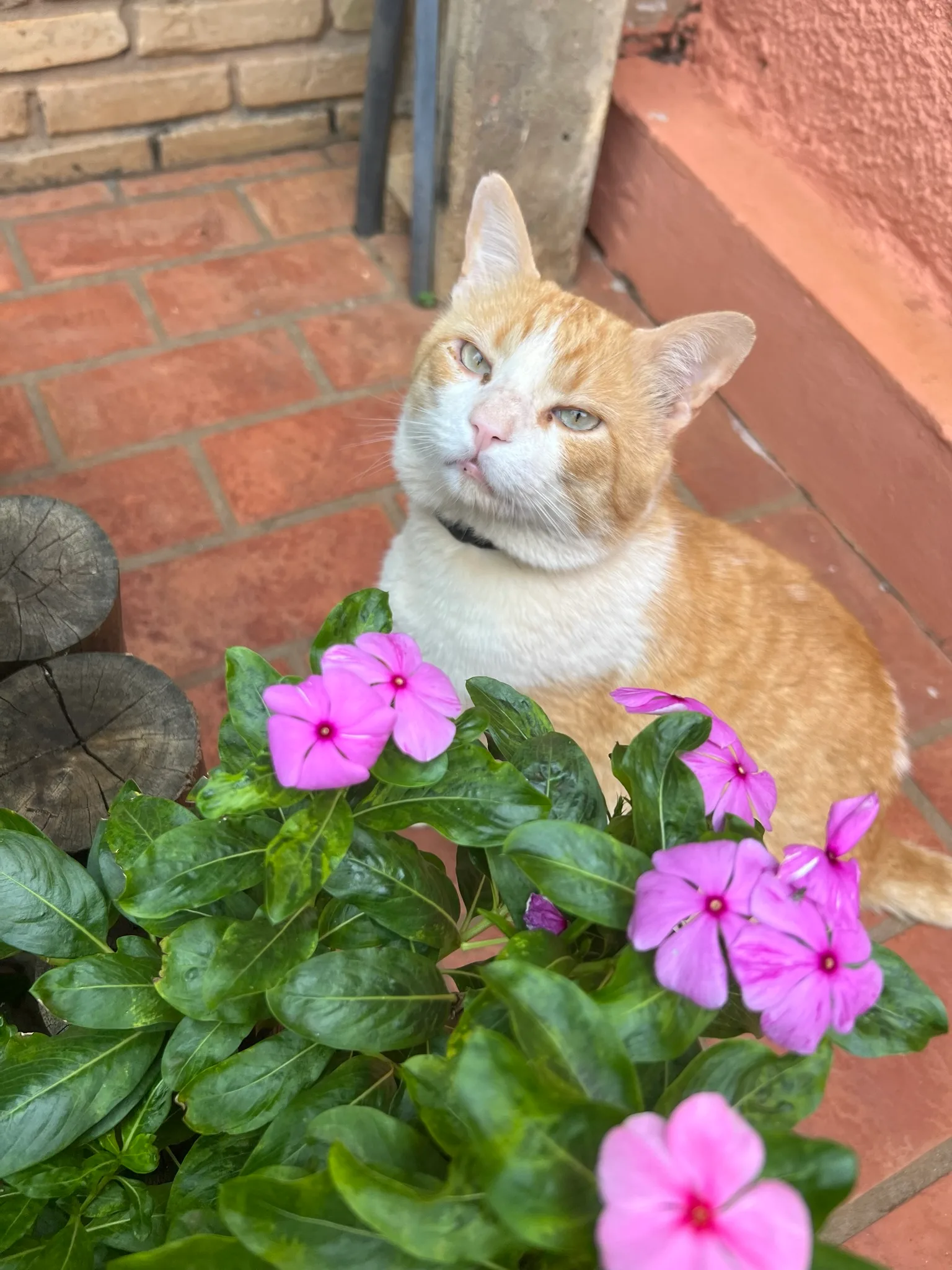
Gatão, an orange-and-white tabby cat sitting on terracotta tiles beside bright pink flowers

Bigger than one family

One family can only carry so much. Rancho Gaspar was built from the start to outlast a single household — registered as a US 501(c)(3) nonprofit with its financial home in Murrieta, California, while every rescue, recovery, spay or neuter, and day of sanctuary care happens at the ranch in Mendonça, São Paulo. Every animal we take in has nowhere else to turn, and every animal is placed under a clear written status: adoptable, through our application and meet-and-match process, or permanent resident, when age, health, or temperament makes adoption unsafe or unkind. The mission has outgrown what one family can do alone. If you can donate, sponsor an animal, volunteer, foster, or adopt, the sanctuary’s reach grows with you.

0 total residents

These counts are pulled from our resident inventory, so they reflect the animals currently marked as permanent residents on the site.

0 cats
0 dogs
0 bunnies

Our work spans two countries — the animals are cared for in Brazil, while the nonprofit is based in the United States.

Sanctuary

Mendonça, São Paulo — where all of the rescue, recovery, and sanctuary care happens.

Headquarters

Rancho Gaspar is a US nonprofit; its financial headquarters are in Murrieta, California.